VETERAN-OWNED · INDUSTRIAL FIELD SERVICESFRANKLIN, WISCONSIN

03 / TRAINING & TECHNICAL DOCUMENTATION

Technical training,
SOPs & operating manuals.

From one machine to an integrated production process: equipment-specific SOPs, operating manuals, system explanations, troubleshooting references, and technician training. Content is developed from assessed equipment and authorized source material.

Discuss a training or documentation project
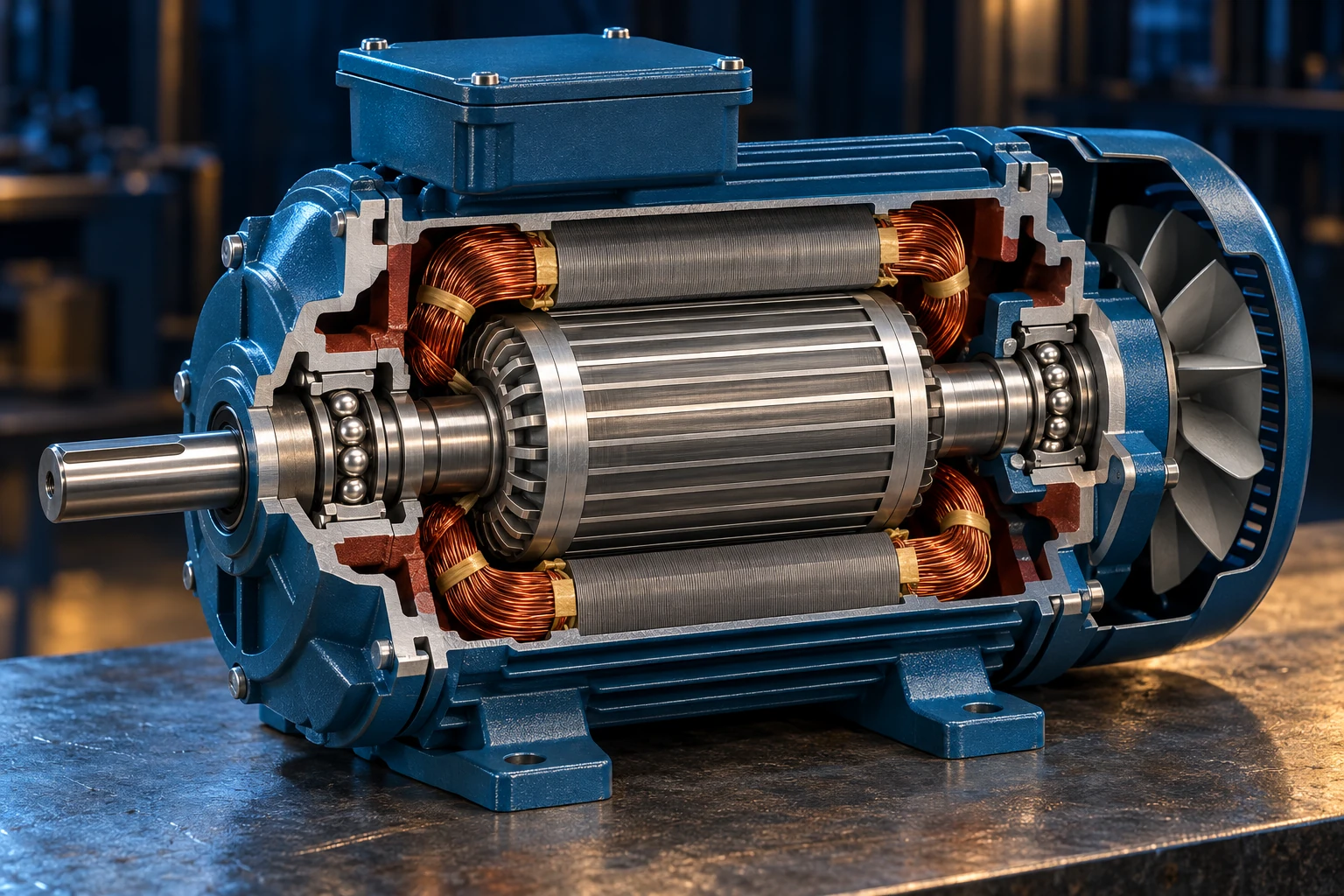
Motor cutaway illustrating the component relationships explained in equipment training

FROM EQUIPMENT TO UNDERSTANDING

Explain the system.
Build the capability.

A technical guide connects component function, operating sequence, and practical troubleshooting to the equipment your people support.

  1. System purpose & component relationships
  2. Site-approved operating and task instructions
  3. Guided practice & understanding checks

Illustrative technical artwork. Training materials are developed and reviewed against your assessed equipment.

START WITH THE EQUIPMENT

Understand it first.
Then make it teachable.

Primary Industrial assesses the equipment, available documentation, operating practices, and audience before defining the deliverable. The goal is a reference your team can actually use—and an explanation that helps them understand the system behind the steps.

Experience in large-scale technical training, instructional strategy, instructor development, and assessment brings a structured approach to workforce capability. Paired with industrial systems expertise and adult learning principles, it connects equipment knowledge with practical understanding.

THE INITIAL ASSESSMENT

What do your people need
to do—and understand?

  • Equipment configuration and approved source material
  • Operating tasks, recurring problems, and knowledge gaps
  • Audience experience, roles, and learning objectives
  • Site safety rules, authorization boundaries, and reviewers
  • Delivery format, validation method, and revision ownership

BUILD THE RIGHT DELIVERABLE

A procedure. A manual.
A complete learning program.

Scope one piece of equipment, a connected process, or an agreed set of tasks. Deliverables are selected after assessment.

SOPs & task instructions

Step-by-step instructions built around an assessed task, the actual equipment, site requirements, and approved reference material.

  • Purpose, prerequisites & responsibilities
  • Task sequence, hold points & checks
  • Escalation and completion records

Site-specific operating manuals

A practical reference that connects equipment documentation to how your team operates the installed system.

  • Equipment overview & operating modes
  • Approved startup, operation & shutdown
  • Normal conditions & response references

Technical system explanations

Explain what each part does, how the parts interact, and why the system behaves the way it does.

  • Component and subsystem relationships
  • Electrical, mechanical & control sequences
  • Inputs, outputs & operating dependencies

Troubleshooting references

Give technicians a structured path from a symptom to the next appropriate check, without guessing or bypassing protections.

  • Symptom-to-check decision paths
  • Expected observations & limitations
  • Stop points and specialist escalation

Technician training programs

Instruction shaped around your technicians’ experience, the equipment they support, and the tasks they need to perform.

  • Role-based objectives & learning paths
  • Instructor guides, lesson plans & equipment walkthroughs
  • Guided practice & realistic scenarios

Assessments & knowledge transfer

Check understanding and support a documented handoff, with opportunities to demonstrate the agreed task.

  • Knowledge checks & teach-back exercises
  • Site-approved practical evaluations & follow-up practice
  • Training records, progress tracking & revision handoff

FROM ASSESSMENT TO USE

Written for the task.
Validated with your team.

Clear review and approval responsibilities help keep a useful draft from being mistaken for an authorized operating procedure.

  1. 01

    Assess

    Review the equipment, audience, tasks, and customer-authorized references. Agree on scope, access, and expected outputs.

  2. 02

    Develop

    Build the system explanation, task instructions, learning objectives, and supporting materials around the assessed configuration.

  3. 03

    Review

    Route the draft to the designated technical and site safety reviewers. Resolve conflicts with OEM instructions and local requirements.

  4. 04

    Validate

    Walk through the material under a site-approved plan with authorized personnel. Record issues, revise, and obtain the customer’s release approval.

  5. 05

    Train & hand off

    Deliver the agreed instruction, check understanding, and provide controlled files with revision history and an identified update owner.

ADULT LEARNING, APPLIED

Connect the explanation
to the job.

Training should respect what people already know, make the purpose clear, and give them a way to practice and demonstrate understanding.

DOCUMENTATION WITH A DEFINED PURPOSE

Built for your site.
Released through your process.

Materials supplement authorized OEM documentation and site procedures. They require the agreed technical and safety review before use. Training completion alone does not grant an electrical qualification, trade license, or regulatory certification.

Documentation and service boundaries

BEFORE WE GET STARTED

A few practical
questions.

Can you develop material for equipment you haven’t seen before?

Start with an assessment. The make, model, system complexity, available documentation, safe access, and required expertise determine whether the project fits. Scope and depth are confirmed before accepting the work; some topics need OEM or specialist involvement.

Can you explain how the system works, not just write a checklist?

Yes. A technical guide can cover the equipment’s purpose, component functions, control sequence, system relationships, and expected behavior. The depth is matched to the audience and verified against the assessed equipment and authorized references.

Can you improve an existing training program?

Yes. A project can begin with a review of current materials, instructor needs, learner progress, recurring gaps, and the tasks being taught. The agreed work may include revised modules, instructor coaching, practical exercises, assessments, and targeted follow-up practice.

What if the OEM manual is incomplete or unavailable?

We identify the gaps during assessment and agree on what can be established from authorized sources and safe observation. Missing safety-critical information must be resolved with the appropriate owner or specialist before the affected procedure is released.

Who approves and keeps the documents current?

The proposal identifies reviewers, customer approval authority, document ownership and usage rights, editable deliverables, revision control, and future update responsibilities. Equipment or process changes should trigger a review of the affected material.

How are proprietary equipment details handled?

Use the initial inquiry for a general description. Any detailed drawings, manuals, or operating information are exchanged through a separately agreed channel. Project materials use customer-authorized information; confidential materials from other employers or facilities are not reused.

CONTACT PRIMARY INDUSTRIAL

Discuss your equipment
or maintenance project.

Describe the machine, the problem, or the capability your team needs. The starting point can be one piece of equipment or a wider maintenance and training need.

Based in Franklin, WisconsinServing southeastern Wisconsin.
Other locations by arrangement.
What happens next
  1. Review the equipment, objective, and service fit.
  2. Clarify access, scope, deliverables, and responsibilities.
  3. Agree on pricing and timing before work begins.

Requests are reviewed before work is scheduled. For an immediate safety hazard, follow your facility’s emergency procedures.

All fields are required unless marked optional.

Share a general description. Leave out confidential drawings, passwords, and sensitive facility details.