VETERAN-OWNED · INDUSTRIAL FIELD SERVICESFRANKLIN, WISCONSIN

INDUSTRIAL EQUIPMENT EXPERTISE

Understand the component.
Understand the whole machine.

Electrical controls, rotating machinery, fluid power, and integrated production lines. Primary Industrial brings the technical depth to connect a fault, a mechanism, and the process they affect.

Discuss your equipment

This equipment knowledge comes from industrial maintenance, hands-on diagnostics, and technical leadership across production environments. The make, model, configuration, required task, and available documentation determine the service fit.

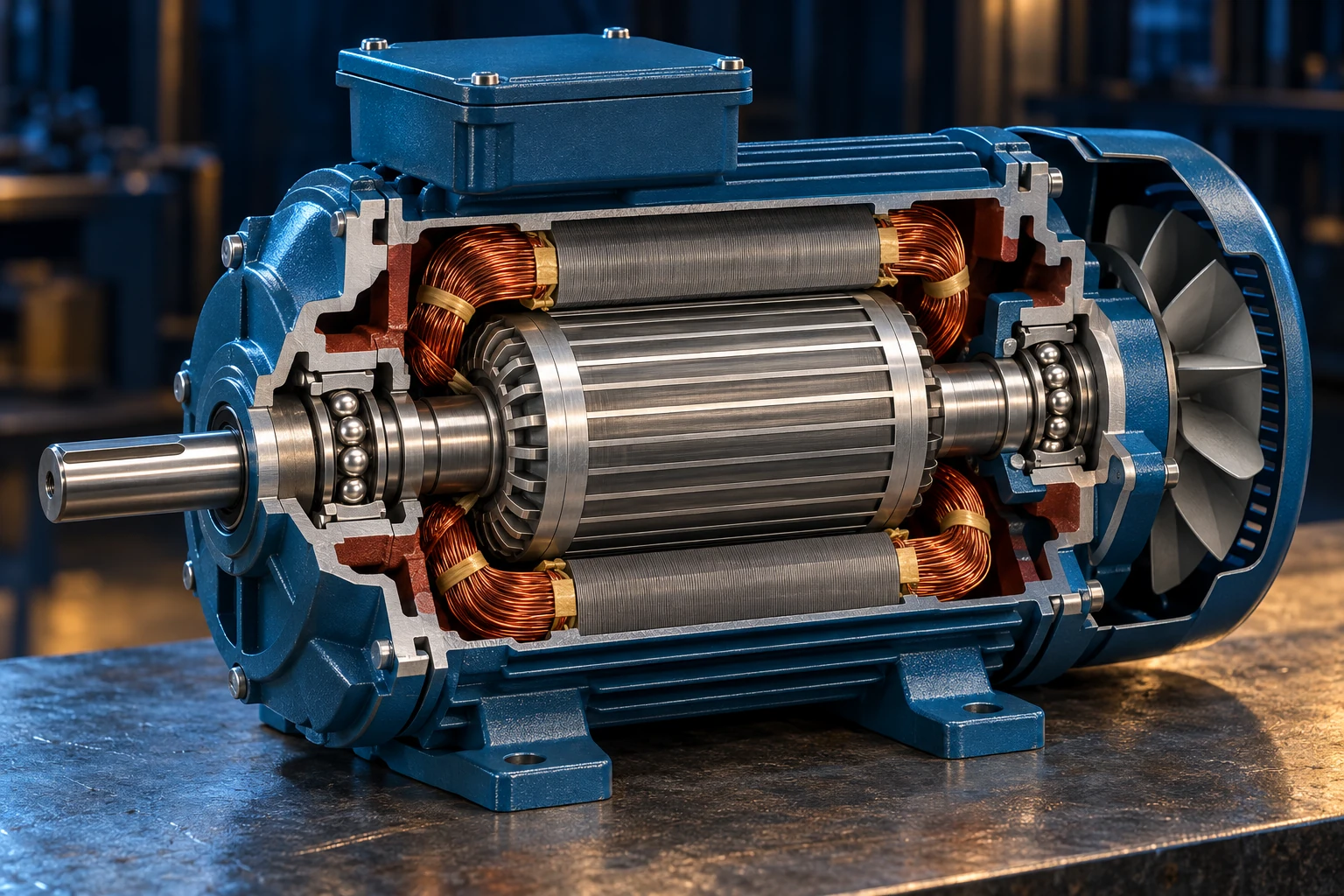
Motor cutaway showing the relationship between electrical and mechanical components01
POWER / CONTROL / MACHINE RESPONSE

FAULT ISOLATION & SYSTEM DIAGNOSTICS

Machine electrical & controls

Understand how power, control logic, feedback, and machine motion work together. Trace a fault from the component to the equipment sequence it affects.

  • PLCs, HMIs, machine circuits & industrial communications
  • VFDs, AC/DC drives, servos, motor starters & relays
  • Sensors, instrumentation, feedback devices & machine interlocks

Visual study: a motor cutaway representing the connection between electrical input and mechanical output. Electrical work is limited to an assessed machine-specific scope within confirmed legal authority.
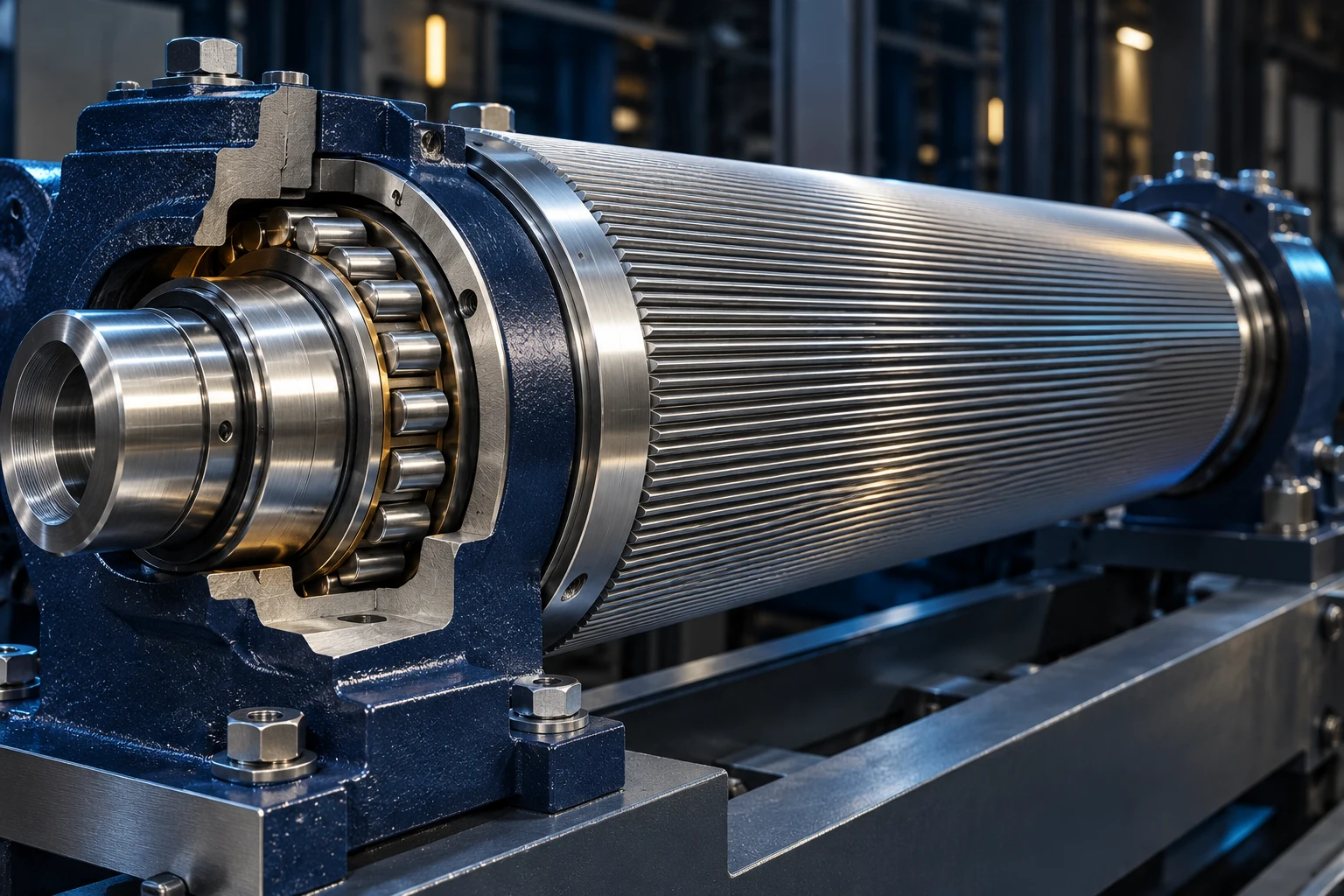
Fluted corrugating roll with a sectional bearing support02
CORRUGATION / PRINTING / CUTTING / FOLDING

INTEGRATED PRODUCTION MACHINERY

Corrugated & converting lines

Equipment knowledge across the path from paper rolls to finished boxes: feeding, corrugating, printing, cutting, folding, and the drives and controls that coordinate each stage.

  • Corrugators, roll stands, glue systems, cutoffs & sheet transfer
  • Flexographic printers, rotary die-cutters & folder-gluers
  • Feeders, conveyors, balers, ink systems & scrap handling

Visual study: a fluted corrugating roll and sectional bearing support, connecting the working surface to the mechanism that supports it.

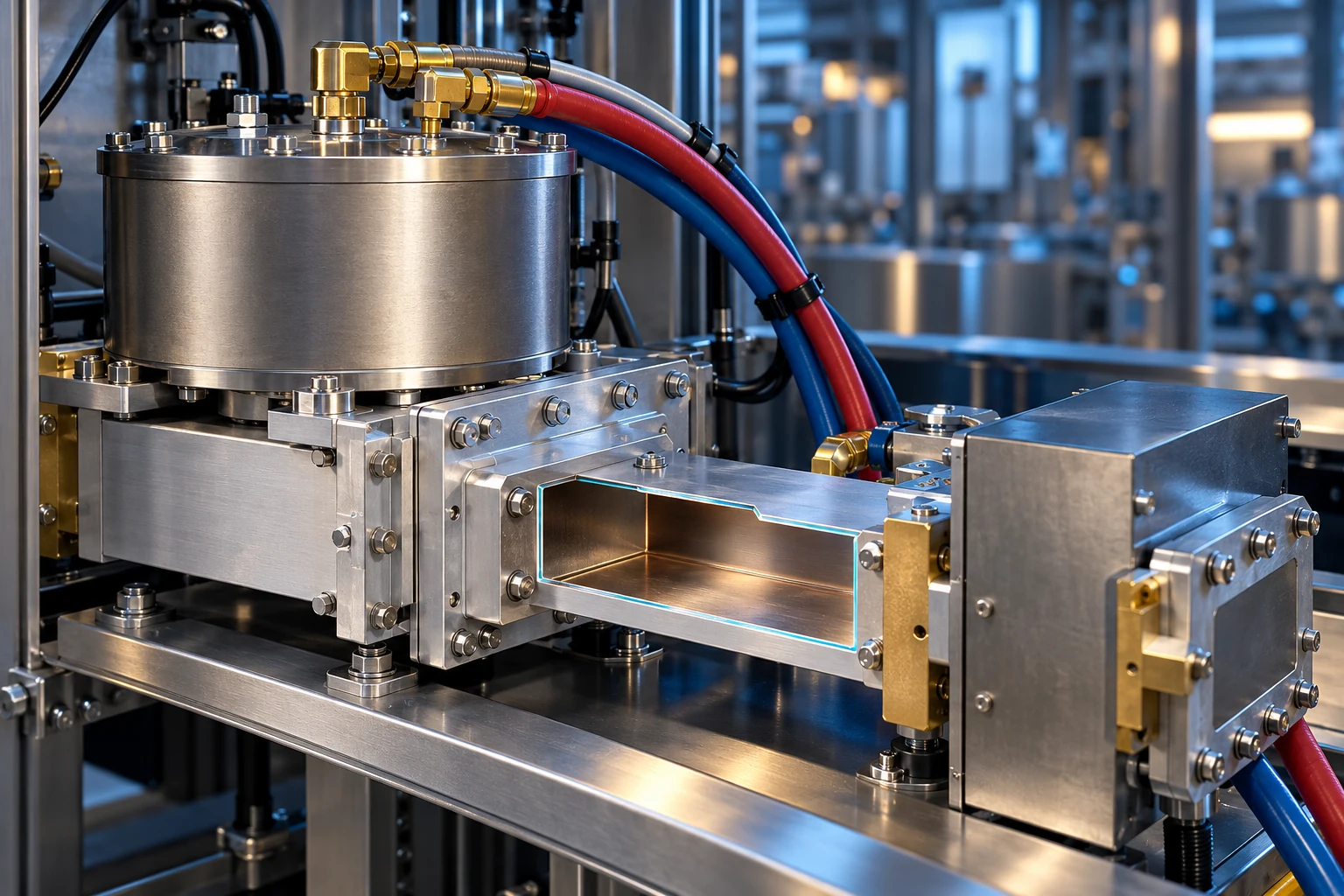
Industrial microwave generator hardware with a sectional rectangular waveguide03
MICROWAVE GENERATION / POWER / PROCESS CONTROL

SPECIALIZED PROCESS EQUIPMENT

Industrial microwave & food processing

Specialized experience with industrial microwave generators and the power, RF, controls, and production interfaces around them. Understand the equipment as a connected process.

  • Industrial microwave generators & waveguide assemblies
  • Equipment power supplies, controls, monitoring & interlocks
  • Processing conveyors, motors, drives & supporting mechanisms

Visual study: a microwave transmitter subsystem with selective shielding removed and a sectional waveguide. High-voltage and RF work requires equipment-specific assessment, authorized methods, and any necessary OEM or specialist support.

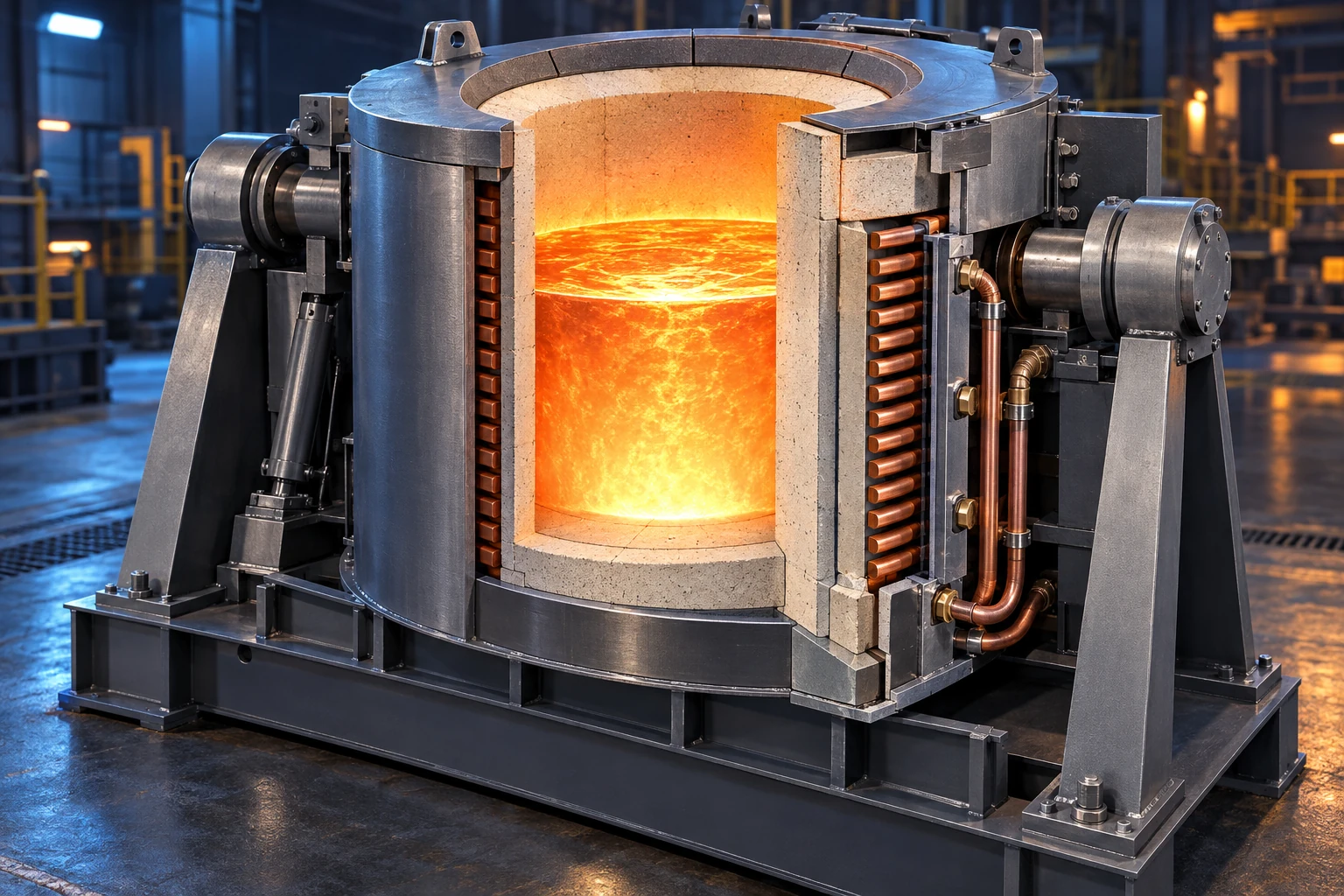
Sectional induction-furnace illustration representing a foundry operating environment04
ROTATING EQUIPMENT / FLUID POWER / PRODUCTION

ROTATING EQUIPMENT & FLUID POWER

Mechanical systems & heavy machinery

A hands-on technical background across the electrical, mechanical, hydraulic, and pneumatic systems that keep heavy production machinery moving.

  • Motors, pumps, gearboxes, bearings, shafts & couplings
  • Hydraulic power units, valves, cylinders & pneumatic circuits
  • Conveyors, belts, chains, sprockets & production mechanisms

Visual study: an induction-furnace section representing the foundry environment behind this experience. The offered machinery scope is assessed against the actual equipment and task; this image is not an offer of furnace installation or a specific OEM authorization.

Original technical illustrations represent equipment categories and career environments. They are not customer projects or OEM-authorized engineering drawings. About the visuals.

THE SYSTEMS CONNECTING THE MACHINES

Follow the fault
across the interfaces.

Power, signals & machine sequence

Follow the electrical supply, a PLC command, sensor feedback, interlocks, and the drive or actuator response. Equipment-level troubleshooting connects the circuit drawing to what the machine actually does.

Rotating equipment & fluid power

Motors, pumps, bearings, gearboxes, shafts, couplings, belts, chains, rolls, hydraulic power units, valves, cylinders, and pneumatic circuits. Assess movement, load, wear, lubrication, and the relationship between the mechanism and the process.

Equipment condition & operating knowledge

Combine accessible thermal observations with equipment history and operating context. Explain how the system functions, develop useful maintenance tasks, and build technical guides or training around the actual configuration.

CRITICAL-FACILITY RELIABILITY

Bring structure to the maintenance
around essential equipment.

Complex mechanical plant experience informs equipment-history reviews, maintenance priorities, PM documentation, critical-spares planning, technical procedures, and coordination with your authorized vendors. This work helps establish or improve the maintenance program within the system your company selects and provides.

This is maintenance-program and documentation support. HVAC installation or servicing, chiller repair, and refrigerant-circuit work are outside the current offer.

Explore maintenance program setup & improvement

THE FIT IS IN THE SCOPE

Have a different type of machine?

Reach out to Primary Industrial with the make, model, issue, and intended outcome. These equipment groups describe a technical foundation, not a limit to one industry. Other civilian industrial machinery can be assessed for a suitable service scope.

Machine-specific electrical work is accepted only within confirmed legal authority. Building wiring, HVAC servicing, refrigerant work, pressure-vessel work, and professional engineering are outside the current general offer. A machine component’s location or a different service label does not remove trade requirements.

Review service boundaries

CONTACT PRIMARY INDUSTRIAL

Discuss your equipment
or maintenance project.

Describe the machine, the problem, or the capability your team needs. The starting point can be one piece of equipment or a wider maintenance and training need.

Based in Franklin, WisconsinServing southeastern Wisconsin.
Other locations by arrangement.
What happens next
  1. Review the equipment, objective, and service fit.
  2. Clarify access, scope, deliverables, and responsibilities.
  3. Agree on pricing and timing before work begins.

Requests are reviewed before work is scheduled. For an immediate safety hazard, follow your facility’s emergency procedures.

All fields are required unless marked optional.

Share a general description. Leave out confidential drawings, passwords, and sensitive facility details.